Federico Bellentani

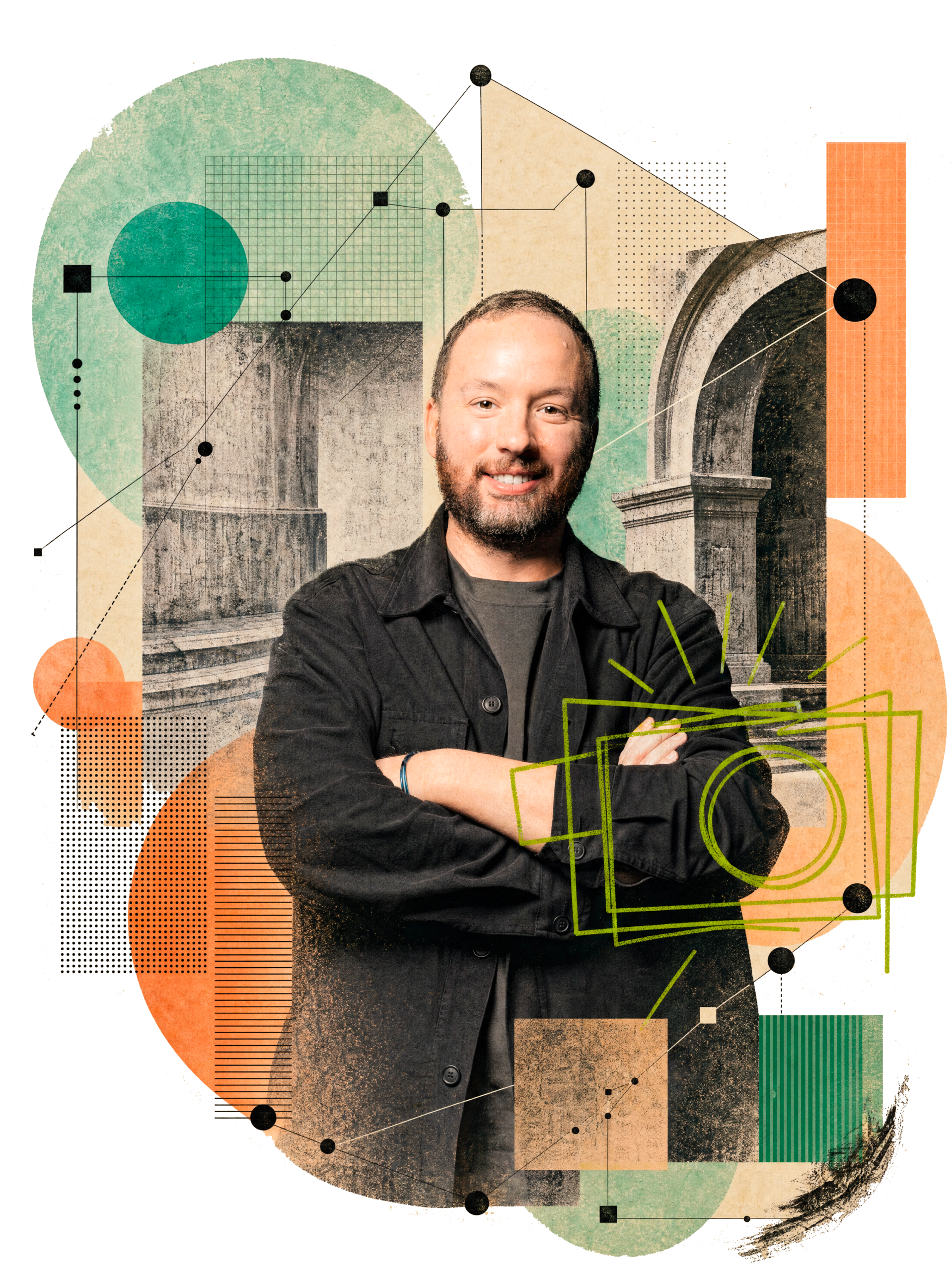
Profile picture Federico Bellentani

About me

In a nutshell

• Post-Doc Researcher and Project Manager at the University of Turin within the ERC Project EUFACETS

• Marketing and Communications Director at Dinova

• Recognised Forbes Italia – Top 100 Marketing Managers in 2025 and Google Cloud Marketing and Communication Star in 2022 and 2024

• Lecturer at University of Bologna and University of Ferrara

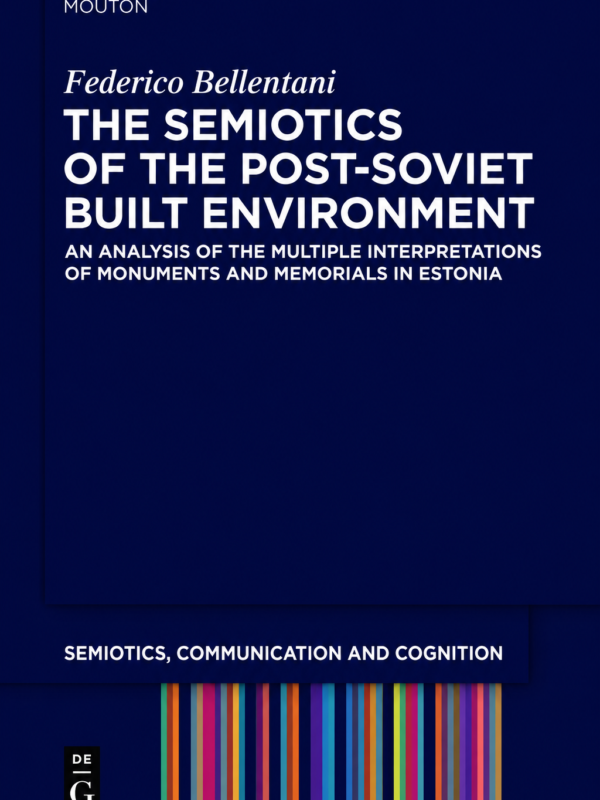
PhD graduate from Cardiff University, with 4 published books and over 30 scientific papers

• Engaged in 20+ international conferences and delivered 25+ invited lectures, including a keynote alongside the former President of Estonia Kersti Kaljulaid

Research

My research moves across three main constellations of interest: urban space, memory and identity and digital culture and AI.

Urban space

I study urban space not simply as a physical setting, but as a living text: a dense field of signs, traces, conflicts and imagined futures. Cities, monuments, façades, public squares and digital layers are never neutral backgrounds. They are cultural machines through which societies negotiate what is visible, what is remembered and what is pushed to the margins.

Memory and identity

I am interested in memory and identity, especially in the way collective identities are built, contested and reinvented through material and symbolic forms. My work on monuments, memorials and controversial heritage explores how the past is not merely preserved in space, but continuously translated and reactivated in the present.

Social innovation and AI

I focus on digital culture and AI, with particular attention to how digital technologies reshape human presence, social relations and cultural meaning. This includes research on faces in urban space, digital facial assemblages, social media platforms for older adults and AI as a cultural rather than merely technical phenomenon.

Marketing

My work is rooted in the idea that marketing and communication are instruments for cultural positioning.

I work at the intersection of strategy, narrative and innovation, helping complex ideas become credible and meaningful for different audiences. Much of my practice consists in giving language to transformation: finding the words, formats and stories through which technology, organizational change and emerging forms of work can be understood beyond buzzwords. This means treating communication as a space of translation. On one side, there are technologies, business goals, products and market dynamics; on the other, there are people, expectations, fears, imaginaries and cultural habits. My role is to connect these dimensions, building narratives that are both strategically effective and intellectually honest.

Publications

Papers

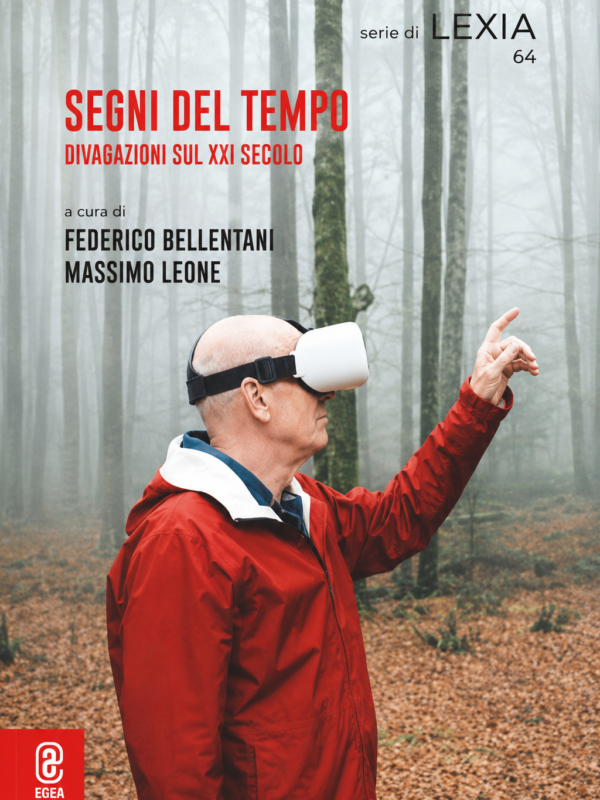
Cover book Segni del tempo

Federico Bellentani & Massimo Leone


2026


Segni del tempo. Il volto dell’anziano nell’era digitale


Rome: Aracne.

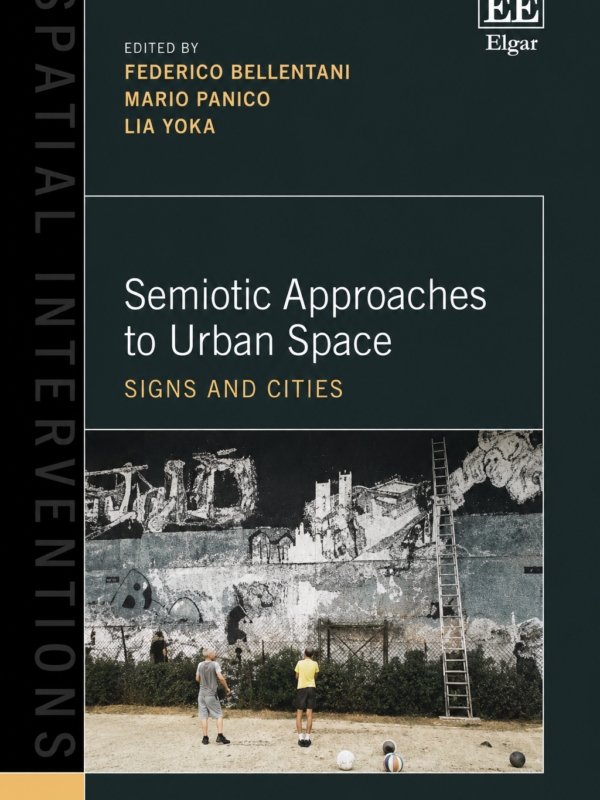
Cover book Semiotic approaches to urban space

Federico Bellentani, Mario Panico & Lia Yoka


2024


Semiotic approaches to urban space


Cheltenham: Edward Elgar Publishing.

Papers

  • Bellentani F. 2024. A Monument’s many faces: The meanings of the face in monuments and memorials. Semiotica 255: 96-116.
  • Bellentani F., Thibault M. 2024. The feast with the statue – Creative, playful and innovative approaches to controversial cultural heritage. Lexia 39-40: 333-357.
  • Bellentani F. 2024. A typology of faces of the city. Reti, saperi, linguaggi. Italian Journal of Cognitive Sciences 25 (1/2024): 97-116.
  • Bellentani F., Leone M. 2024. Ripensare il volto digitale nella Silver Age. Carte Semiotiche – Annali 10 (2024/1): 50-67.
  • Bellentani F., Arkhipova D. 2022. The built environment in social media: Towards a biosemiotic approach. Biosemiotics 15: 193-213.
  • Bellentani F. 2021. Pratiche istituzionali per la reinvenzione culturale dei monumenti controversi. Filosofi(e) Semiotiche 8(1): 8-21.
  • Yoka L., Bellentani F. 2019. Introduction. Punctum. International Journal of Semiotics 5(2): 5-10.
  • Bellentani F. 2018. Relocating the past: The case of the Bronze Soldier of Tallinn. Translation. A Transdisciplinary Journal 7: 131-149.
  • Nanni A., Bellentani F. 2018. The meaning making of the built environment in the Fascist city: A semiotic approach. Sign and Society 6(2): 379-411.
  • Bellentani F., Panico M. 2018. Pour une approche sémiotique des monuments et des mémoriaux. Trad. E. Caccamo, in collaboration with S. Levesque. Cygne Noir 6.
  • Bellentani F. 2017. Kultuurilise ümbermõtestamise tavad [Practices of cultural reinvention]. Maja. Estonian Architectural Review 1- 2/2016: 118–119.
  • Bellentani F., Panico, M. 2016. The meanings of monuments and memorials: Toward a semiotic approach. Punctum. International Journal of Semiotics 2(1): 28–46.
  • Cócola Gant A., Bellentani F. 2015. Mussolini y la política del pasado de la Roma fascista. Diagonal Revista de Crítica Arquitectónica 39: 10–15.
  • Montanari F., Frattura L., Chieppa A., Bellentani F., Molica R., Palestrini, M. 2015. Prijedor, Bosnia. Making sense of emptiness. Un workshop, e una prima analisi etnosemiotica, negli spazi urbani del post-conflitto. E | C Rivista on line dell’Associazione Italiana Studi Semiotici 9: 51–58.

Chapters

  • Bellentani F., Leone M. 2026. Segni del tempo: il volto anziano nell’era digitale. In: Bellentani F., Leone M. (eds.) Segni del tempo. Il volto dell’anziano nell’era digitale. I Saggi di Lexia 64. Rome: Aracne, 9-29.
  • Hejazi S., Arkhipova D., Barbotto S., Bellentani F., Boffi L., Ghidoli D. 2025. Isolated in connection. Un progetto di ricerca multidisciplinare sulla Silver Age e la sua cultura digitale. In Stano S. and Ponzo J. (eds). Nuove tecnologie digitali e immersive. I Saggi Lexia 61-63. Rome: Aracne, 63-77.
  • Bellentani F. 2025. The filtered face of the city and its cultural reinvention: the case of Estonia. In Piluso F., Leone M. (eds.) Semiotica dei filtri. I Saggi di Lexia 60. Rome: Aracne :163-180.
  • Bellentani F. 2025. La guerra dei monumenti: un approccio semiotico alle controversie su memoriali e monumenti in Estonia. In Galofaro F. (ed) Il senso della pace. Prospettive sulla semiotica della guerra. Milan: Mimesis, 55-73.
  • Bellentani F. 2025. The cultural reinvention of monuments and memorials in Estonia. In Falsetti M. (ed.) Architecture in the Baltic States. Cities, Landscapes and Heritage of Estonia, Latvia and Lithuania. London: Routledge, 153-167.
  • Bellentani F. 2025. Eterni o effimeri? Come evolvono i significati dei monumenti e del loro volto. In Leone, M. (ed.) Il Volto Infinito, 98–130. Turin: FACETS Digital Press, 98-130.
  • Bellentani F., Yoka L., Panico M. 2024 Introduction to Semiotic approaches to urban space. In Bellentani, F., Yoka, L., Panico, M. (eds.) Semiotic approaches to urban space. Cheltenham: Edward Elgar Publishing: 1-14.
  • Bellentani F. 2023. Evanescent faces: a semiotic investigation of digital memorials and commemorative practices. In Leone, M. (ed.) The Hybrid Face. Paradoxes of the Visage in the Digital Era. London: Routledge, 192-214.
  • Bellentani F. 2023. Il volto latente della città. In Leone M., ed., Il volto latente. Turin: FACETS Digital Press, 62-85.
  • Bellentani F. 2023. Semiotics and cultural geography: An interdisciplinary approach to the built environment. In Biglari A. (ed.) Open Semiotics. Paris: L’Harmattan, 105-118.
    Dall’Acqua A.,
  • Bellentani F. 2023. How to build a chatbot: A semiotic approach. In Santangelo A., Leone M. (eds) Semiotica e Intelligenza Artificiale. Turin: Aracne, 149-170.
  • Bellentani F. 2021. Translation and controversial monuments in Tallinn. In Lee T.K. (ed.) The Routledge Handbook of Translation and the City. London: Routledge, 205-221.
  • Bellentani F. 2020. Diario del Coronavirus: Balconi. In Lorusso A.M., Marrone G., Jacoviello S. (eds) Diario semiotico sul Coronavirus. Palermo: EC-AISS, 52-53.
  • Bellentani F. 2016. Landscape as text. In Higuera C.J.R., Bennett T.J. (eds.), Concepts for semiotics. Tartu: University of Tartu Press, 76-87.

Edited issues

  • Bellentani F., Leone M. I Saggi di Lexia 64.
  • Bellentani F. 2023. Special Section of Semiotica 255.
  • Yoka L., Bellentani F. 2021. Interartive 101.
  • Yoka L., Bellentani F. 2019. Punctum. International Journal of Semiotics 5 (2). 5-10.

Definitions

  • Bellentani F. 2024. Architecture. Semioticon. Open Semiotics resource Centre. Available at: https://semioticon.com/seo/architecture/
  • Bellentani F. 2024. Soviet and Post-Soviet Monuments in Estonia. In: Saloul, I., Baillie, B. (eds.) The Palgrave Encyclopedia of Cultural Heritage and Conflict. Palgrave Macmillan, Cham.

Reviews

  • Bellentani F. 2024. Architecture. Semioticon. Open Semiotics resource Centre. Available at: https://semioticon.com/seo/architecture/
  • Bellentani F. 2024. Soviet and Post-Soviet Monuments in Estonia. In: Saloul, I., Baillie, B. (eds.) The Palgrave Encyclopedia of Cultural Heritage and Conflict. Palgrave Macmillan, Cham.

Articles

  • 2026 FRIDA
  • 2025 FRIDA
  • 2022. Kuidas muuta vastuolulised monumendid rahupaikadeks, Postimees
  • 2021. Interview on controversial monuments, Deník N.
  • 2021. Federico Bellentani e la guerra dei monumenti, Estonian Magazine
  • 2021. Monuments to semioticians around the world. UT Blog
  • 2021. Eesti monumendisõjad pakuvad uurijatele väärtuslikku õppematerjali. Novaator – ERR
  • 2021. Notes on Leonidas’s photography portfolio. Interartive 101
  • 2021. How to deal with controversial monuments? Interartive 101
  • 2020. Dealing with controversial monuments in Estonia and beyond. Cardiff Alumni Blog
  • 2020. Contested Monuments in Post-Communist countries: Problems and Lessons. CommunistCrimes.org
  • 2020. Seven ways to deal with monuments in Estonia. Estonian World
  • 2020 Realised 5 interview podcasts with Fare Ricerca. Title: Humanities skills for innovation
  • 2020 Podcast on Smart Working: how to start doing it now?, Rinascita Digitale
  • 2018. Monuments and memorials in changing societies: A semiotic and geographical approach. SemiotiX. A Global Information Magazine
  • 2017. Re-creating memorial landscape in Estonia. Tallinn RGS-IBG Postgraduate Forum
  • Con Zani A. 2015. Comunicare il cibo: i tipi di padiglione dell’Expo Milano 2015. TraMe
  • 2013. La reinvenzione culturale dello spazio urbano in Estonia. TraMe

Get in touch